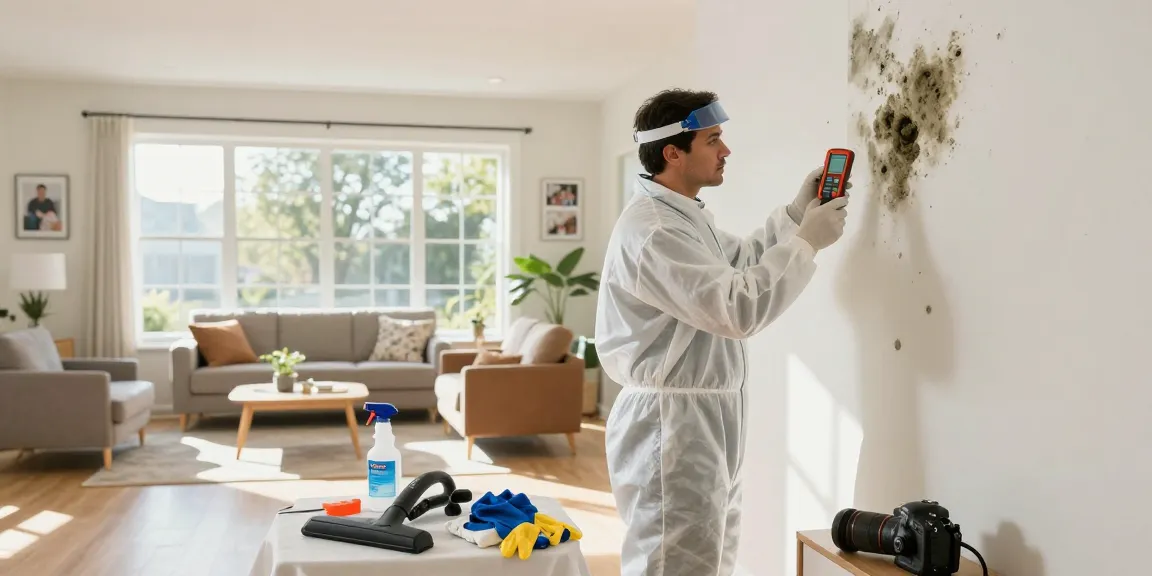
Understanding Mold and Its Impact in West Vancouver
Mold is a common and persistent problem for homeowners in West Vancouver, particularly due to the region’s damp climate. The combination of coastal moisture and older buildings creates an environment where mold can thrive, leading to significant health risks and structural issues if left unaddressed. Understanding mold, its growth patterns, and its consequences is essential for anyone living in West Vancouver. When exploring options, Mold Remediation West Vancouver provides comprehensive insights into tackling this issue effectively.
What is Mold and Why It Grows?
Mold is a type of fungus that can grow both indoors and outdoors. It thrives in damp and humid conditions, feeding on organic materials such as wood, drywall, and fabric. Mold spores are ubiquitous in the environment and can enter homes through windows, doors, and ventilation systems. Once inside, they require moisture to grow. Common sources of moisture include leaks, high humidity levels, and inadequate ventilation, making West Vancouver a prime location for mold growth.
Common Health Risks Associated with Mold Exposure
Exposure to mold can lead to a variety of health problems, especially for sensitive individuals. Symptoms range from mild to severe and can include:
- Respiratory issues such as coughing, wheezing, and asthma exacerbation
- Allergic reactions like sneezing, nasal congestion, and skin rashes
- Chronic fatigue and headaches
- Neurological symptoms, which may include memory loss and confusion in extreme cases
Recognizing these health risks is crucial, particularly for families with young children or elderly members who may be more vulnerable to the effects of mold.
How West Vancouver’s Climate Contributes to Mold Issues
The climate in West Vancouver is characterized by mild, wet winters and humid summers, creating ideal conditions for mold growth. The region experiences significant rainfall, and older homes often struggle with adequate insulation and ventilation, trapping moisture indoors. Properly addressing these environmental factors is critical to preventing mold infestations in homes across the area.
Signs You Need Mold Remediation in Your Home
Identifying mold issues early can prevent extensive damage and health problems. Here are some tell-tale signs that you may need mold remediation:
Visual Indicators of Mold Presence
One of the most obvious signs of mold is visible growth, which can appear as black, green, or white patches on walls, ceilings, and other surfaces. Mold often thrives in hidden areas, such as behind appliances, inside cabinets, and in attics, making regular inspections crucial.
Unpleasant Odors and Their Implications
A musty or sour smell can indicate mold growth, even if it isn’t visible. This odor can permeate your home, often increasing in intensity in areas where moisture is present, such as basements or bathrooms.
Evaluating Environmental Conditions in Your Space
If you notice high humidity levels, condensation on windows, or recent water damage, it’s important to take immediate action. Mold thrives in these conditions, so monitoring your environment can help you catch problems before they worsen.
The Mold Remediation Process Explained
The mold remediation process is crucial for restoring a safe living environment. Here’s a step-by-step breakdown:
Initial Assessment and Moisture Detection Techniques
Effective mold remediation begins with a thorough inspection of the property. Professionals use advanced moisture detection techniques, including thermal imaging and moisture meters, to identify hidden mold and the sources of moisture that support its growth.
Containment and Safe Removal Strategies
Once mold is identified, the affected areas are contained to prevent spores from spreading. This typically involves sealing off the area with plastic sheeting and using negative air pressure systems. Safe removal techniques may include HEPA vacuuming and physical removal of contaminated materials.
Post-Remediation Cleaning and Restoration Steps
After mold removal, the affected areas are cleaned and restored. This may involve repairing or replacing damaged materials, applying antimicrobial treatments, and ensuring that the environment is dry and free from moisture to prevent future growth.
Cost Factors Influencing Mold Remediation Services
Understanding the costs associated with mold remediation can help you prepare for an unexpected situation:
Breakdown of Average Costs for Services in West Vancouver
The costs for mold remediation can vary significantly based on the extent of the infestation, type of mold, and required materials for the job. On average, homeowners can expect to pay anywhere from $500 to $3,000, with larger or more complex jobs exceeding this range.
Insurance Considerations and Coverage for Mold Remediation
Many homeowners’ insurance policies may cover mold remediation, but coverage varies widely. Reviewing your policy and understanding your coverage can be beneficial before undergoing treatment. It’s advisable to keep thorough documentation of the mold issue, remediation process, and any associated costs.
Tips for Cost-Effective Mold Prevention Solutions
Preventing mold growth can save you significant money in the long run. Some effective strategies include:
- Regularly inspecting your home for leaks and dampness
- Improving ventilation in high-humidity areas like bathrooms and kitchens
- Using dehumidifiers in particularly damp areas
- Cleaning and maintaining gutters and downspouts to prevent water intrusion
Best Practices for Mold Prevention at Home
Implementing preventive measures is key to keeping your home safe from mold:
Creating a Mold-Resistant Environment
Incorporate mold-resistant materials in your home, such as paints and wallboard specifically designed for moisture-prone areas. Additionally, consider landscaping changes that direct water away from your home’s foundation.
Routine Home Maintenance Checks and Improvements
Conduct regular maintenance checks to identify potential issues. This includes checking plumbing for leaks, ensuring that exhaust fans are functioning correctly, and fixing any roof or window leaks promptly.
Utilizing Professional Services for Long-Term Safety
While DIY measures can be effective, utilizing professional mold remediation services ensures a thorough and safe approach. Experts can detect hidden molds and apply advanced treatment methods that prevent future outbreaks.
Do I Really Need Mold Remediation?
If you notice any signs of mold, especially if there are health concerns in your household, professional mold remediation is highly advisable. Ignoring the issue can lead to more severe health and structural problems in the future.
Can You Stay in Your House During Mold Remediation?
In many cases, it is safe to remain in your home during remediation, particularly for minor infestations. However, if you have extensive mold growth or severe health concerns, it may be wise to temporarily relocate.
What Health Problems Can Mold Cause?
Health issues from mold exposure can range from mild allergies to severe respiratory problems, particularly in vulnerable populations, including children, the elderly, and those with pre-existing conditions.
How Long Does Mold Remediation Take?
The duration of a mold remediation project can vary widely based on the extent of the infestation and the size of the affected area. Most jobs can be completed within a few days to a week, but thorough assessments and preparations may extend this timeline.
What Are the Signs That You Need Mold Remediation?
Signs of mold include visible growth, musty odors, and the presence of water damage. If you experience any of these indications, it’s essential to act quickly and consult a professional.