Understanding Metal Roofing: Benefits for Toronto Homes
Metal roofing has emerged as a leading choice for homeowners across Toronto, blending durability with aesthetic versatility. As extreme weather becomes more common, it’s essential for Toronto residents to consider roofing that not only withstands the elements but also enhances their home’s value. When exploring options, metal roofing toronto provides comprehensive insights into this functional and stylish solution.
Durability and Longevity of Metal Roofing
Metal roofs are renowned for their strength and resilience. Unlike traditional roofing materials, metal can withstand severe weather conditions, ranging from heavy snowfall and ice accumulation in winter to extreme heat during summer. A properly installed metal roof can last 40 to 70 years, significantly outperforming asphalt shingles, which typically last about 15 to 20 years. This longevity contributes to reduced replacement costs over time, making metal roofing a financially sound investment.
Energy Efficiency and Cost Savings
One of the most attractive aspects of metal roofing is its energy efficiency. Metal reflects solar radiant heat, which can reduce cooling costs during Toronto’s hot summers. Homeowners can save up to 25% on energy bills compared to traditional roofing materials. Moreover, many metal roofs are made from recycled materials and can be recycled at the end of their life, making them an eco-friendly choice. The initial investment may be higher, but the long-term savings are undeniable.
Design Options and Aesthetic Appeal
Metal roofing is available in a wide array of colors and styles, allowing homeowners to choose an option that complements their architectural style. From classic standing seam panels to modern shingles, there’s a design to fit every preference. Additionally, metal roofs can be painted with reflective coatings that enhance their longevity and energy efficiency, making them not only practical but also visually appealing.
Choosing the Right Metal Roofing Material
Types of Metal Roofing: Steel vs. Aluminum
When selecting a metal roofing material, the two primary options are steel and aluminum. Steel is known for its strength and cost-effectiveness, making it the most common choice. It typically comes with a protective coating to prevent rust, but in coastal areas, aluminum may be preferred due to its natural resistance to corrosion. Understanding the specific needs of your home and local environment will guide your decision in selecting the right material.
Factors Affecting Material Choice
Several factors influence the choice of metal roofing material, including climate, budget, and personal preference. For instance, homeowners in areas with high winds or heavy snowfall may prioritize durability and wind resistance. Budget constraints will also play a significant role, as different materials come with varying price points. Lastly, aesthetic preferences cannot be overlooked, as the choice of color and finish will significantly contribute to the home’s curb appeal.
Environmental Impact and Sustainability
Metal roofing is one of the most sustainable building materials available. Many metal roofs are manufactured from recycled content, and they are fully recyclable at the end of their life. Their longevity reduces the need for frequent replacements, which directly contributes to less waste in landfills. Additionally, their energy efficiency helps reduce greenhouse gas emissions associated with cooling and heating homes.
Installation Process of Metal Roofing in Toronto
Preparation and Safety Measures
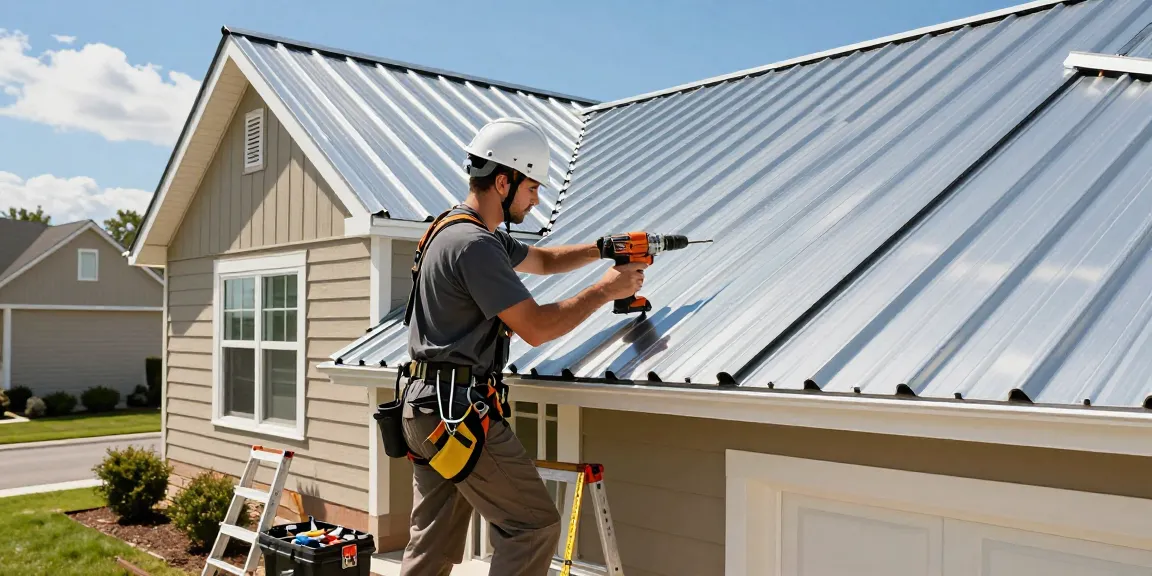
Before commencing installation, it’s critical to prepare the site adequately. Homeowners should ensure that their house structure can support the weight of a metal roof and that any existing roofing materials are removed. Safety measures must include wearing appropriate gear and ensuring that ladders and scaffolds are stable. Hiring professional installers can mitigate risks and ensure compliance with local building codes.
Step-by-Step Installation Guide
- Inspection: Assess the roof structure and remove any old roofing materials.
- Underlayment Installation: Apply a waterproof underlayment to protect against moisture.
- Install Eave and Ridge Caps: Secure the eave and ridge caps to prevent water infiltration.
- Panel Installation: Begin installing metal panels from the bottom of the roof, working upwards. Ensure that panels interlock properly to prevent leaks.
- Sealing: Use silicone sealant on all seams and joints.
- Final Inspection: Conduct a thorough inspection to ensure everything is secure and properly sealed.
Common Mistakes to Avoid
Several common pitfalls can compromise the integrity of metal roofing installations. One of the most significant mistakes is failing to account for thermal expansion, which can lead to warping and buckling over time. Additionally, inadequate sealing of seams and joints can result in leaks. It's important to adhere to the manufacturer's guidelines and consult with professionals to avoid these issues.
Maintenance Tips for Metal Roofing
Routine Inspections and Cleaning
Regular maintenance is key to extending the lifespan of a metal roof. Homeowners should conduct inspections at least twice a year and after significant weather events. Cleaning debris, leaves, and other build-up is crucial, as these can trap moisture and lead to rust. A gentle wash with a mild detergent and water is sufficient to maintain the roof’s appearance and functionality.
Managing Rust and Corrosion
While many metal roofs come with protective coatings, regular inspections are necessary to catch any signs of rust early. If rust is found, it should be treated immediately with a rust-inhibiting primer followed by a coat of matching paint. Ensuring that moisture is not trapped under debris will also prevent corrosion.
Repairing Common Issues
If issues arise, such as loose seams or damaged panels, it is essential to address them quickly to prevent further damage. Replacing or securing loose panels and resealing seams can often be done by homeowners, but consultation with roofing professionals is recommended for significant repairs.
Future Trends in Metal Roofing for 2026
Innovative Technologies and Materials
The roofing industry is evolving, with new technologies emerging for improved performance. Innovations like solar-integrated metal roofing are gaining popularity, allowing homeowners to harness solar energy without compromising aesthetics. Advances in coatings that enhance reflectivity and durability are also on the rise, promising longer-lasting and more efficient roofs.
Design Trends and Consumer Preferences
As consumer preferences shift towards sustainable and energy-efficient homes, metal roofing’s appeal continues to grow. Customization options will expand, with more choices in colors and finishes that mimic traditional materials like shingles or tiles while offering the benefits of metal. Homeowners are increasingly interested in innovative designs that blend functionality with style.
Impact of Climate Change on Roofing Choices
With climate change affecting weather patterns, the demand for durable roofing solutions is on the rise. Homeowners are prioritizing materials that can withstand extreme weather conditions, such as hail, heavy rain, and high winds. The future of metal roofing will likely involve materials designed to handle these challenges effectively while maintaining energy efficiency.
What are the advantages of metal roofing over traditional materials?
Metal roofing outperforms traditional materials in several key areas, including durability, energy efficiency, and lifespan. Unlike asphalt shingles, metal roofs can withstand extreme weather and are less prone to damage, offering a longer life expectancy. They also reflect solar heat, which can drastically reduce cooling costs.
How long does metal roofing typically last?
Metal roofing can last anywhere from 40 to 70 years, depending on the material quality and installation. This longevity far exceeds that of traditional roofing materials, making it a sound investment for homeowners.
What is the cost range for metal roofing installation in Toronto?
The cost of metal roofing installation in Toronto varies based on material, labor, and roof size, typically ranging from CAD 8 to CAD 15 per square foot. While the initial investment is higher compared to traditional materials, the long-term savings from durability and energy efficiency often outweigh the upfront costs.
Are there specific permits required for metal roofing installation?
In Toronto, obtaining a permit for metal roofing installation is usually necessary, particularly for alterations to existing roofs. Homeowners should check local regulations to ensure compliance with building codes before starting the project.
What maintenance is recommended for metal roofs?
Regular maintenance for metal roofs includes inspections for rust, corrosion, and debris removal. Cleaning with a mild detergent periodically and checking seals at seams and joints can help maintain the roof’s integrity and appearance.